Maharashtrian Nath: Types, Meaning & How to Choose the Perfect Nath
The nath is the soul of the Maharashtrian look. Learn the popular types, how to choose the right size, and pierced vs non-pierced options.
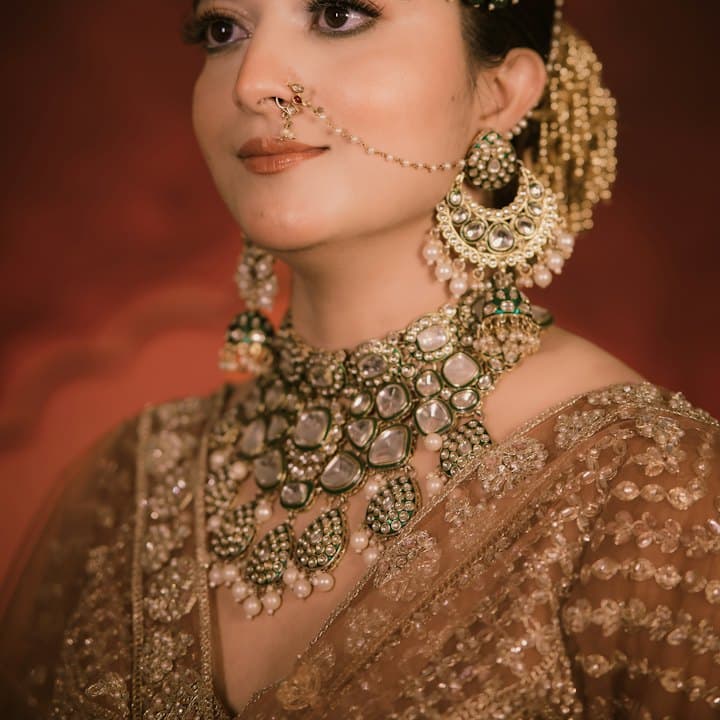
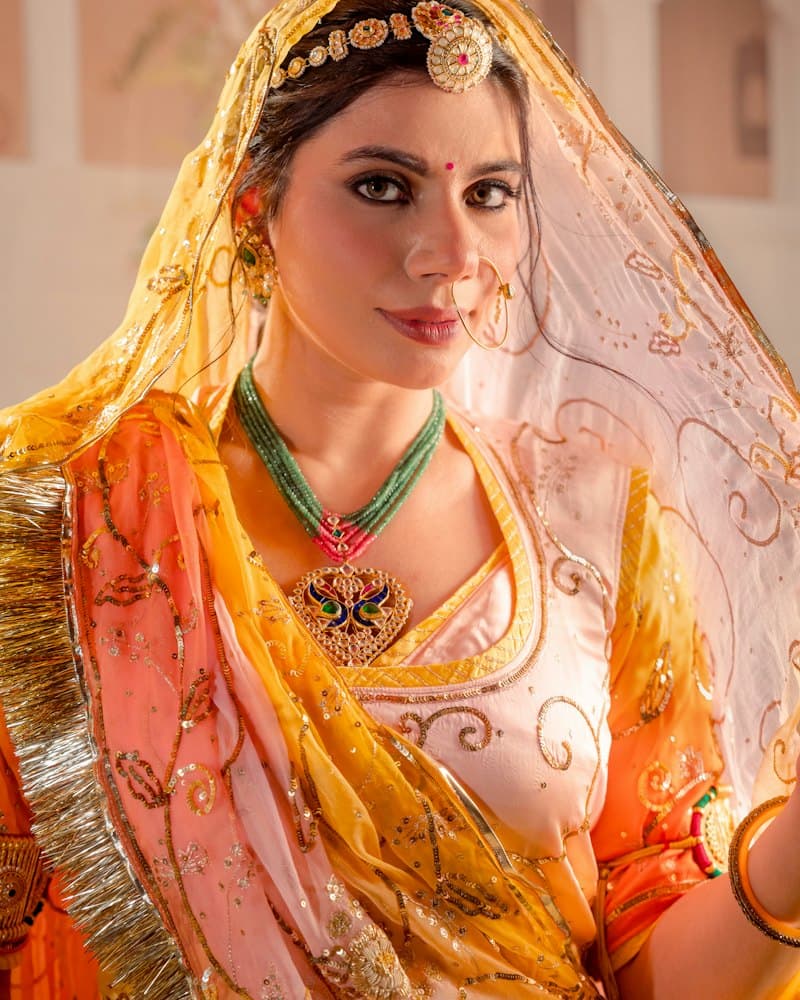
No piece of jewellery says Maharashtra quite like the nath. The distinctive curved nose ring, studded with pearls and a central stone, instantly transforms a nauvari saree look into something regal. Brides, dancers and women celebrating Gudi Padwa, Ganeshotsav or a family wedding all reach for the nath.
What makes a Maharashtrian nath different?
The Maharashtrian nath has a recognisable shape — often compared to a cashew or a raw mango (kairi) — rather than a simple ring. It is typically:
- Framed with pearls along the curve
- Set with a central stone, commonly pink/red with green accents
- Worn on the left nostril in the traditional style
- Paired with the nauvari or paithani saree, chandrakor bindi and green bangles
Popular types of nath
Brahmani nath
A more compact, elegant nath with pearls and a refined shape — ideal for daily traditional wear, pujas and smaller ceremonies.
Peshwai / Maratha nath
Larger and more elaborate, with more pearls and stone work. It makes a strong statement and is a popular choice for brides and stage performances.
Floral or occasion nath
A modern, light nath made with pearls and tiny flowers — perfect for haldi and dohale jevan looks.
Pierced vs non-pierced nath
Not everyone has a pierced nose — and that is completely fine.
- Pierced nath: sits securely through the piercing; best for frequent wear.
- Non-pierced (press / clip-on) nath: gently presses on the nostril without a piercing — the most popular choice today, especially for occasional wear and for teenagers.
How to choose the right nath for your face
- Small or delicate features: a Brahmani or compact nath keeps the look balanced.
- Broad features or bridal look: a fuller Peshwai nath holds its own.
- Match the saree: pick the stone colour from your saree's border.
- Match your other jewellery: pearl-heavy naths pair beautifully with a thushi or tanmani.
How to wear a nath comfortably
- Clean the nostril area and the nath before wearing.
- Position the pearl curve so it rests just above the lip line.
- For non-pierced naths, adjust the press gently — it should be secure, not tight.
- Carry a tiny safety pin or fashion tape for long events.
Caring for your nath
- Store it flat in a soft pouch to keep the pearls in shape
- Keep perfume and hairspray away from the pearls
- Wipe with a soft dry cloth after wearing
Buy or make your own nath
Browse handmade Maharashtrian naths at Saaj Alankaracha — available in pierced and non-pierced styles with delivery across Maharashtra and India. Want to make your own? Our handmade jewellery class teaches nath making step by step.
Frequently asked questions
Which side is a Maharashtrian nath worn?
Traditionally the Maharashtrian nath is worn on the left nostril.
Can I wear a nath without a nose piercing?
Yes. Non-pierced (press or clip-on) naths rest gently on the nostril and are very popular for occasional wear.
What is the difference between a Brahmani and a Peshwai nath?
A Brahmani nath is more compact and elegant, while a Peshwai or Maratha nath is larger and more elaborate with more pearls and stone work.
Have a question or a custom order?
Message Shweta Bhange on WhatsApp — classes, haldi & baby shower sets, naths and bouquets delivered across India.